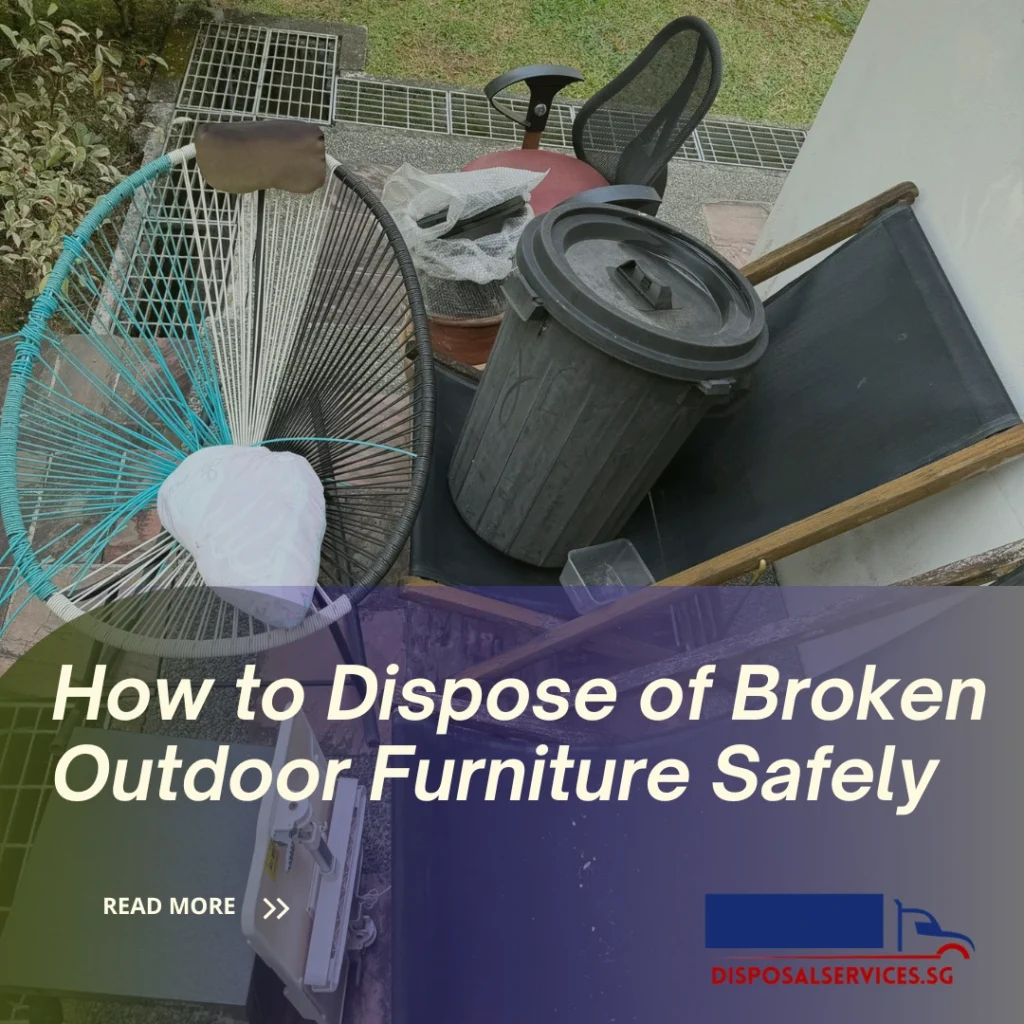
Outdoor furniture is built to withstand the elements, but over time, wear and tear can leave your items broken, unsafe, and unusable. Whether it’s a cracked plastic chair, rusted metal table, or damaged rattan sofa, proper disposal is important for safety and environmental reasons.
In this guide, we’ll show you how to dispose of broken outdoor furniture safely and responsibly.
Why Proper Disposal Matters
Throwing outdoor furniture away improperly can:
- Cause injury due to sharp edges or broken parts
- Harm the environment if materials are not handled correctly
- Lead to fines in some areas for illegal dumping
Proper disposal ensures safety while reducing environmental impact.
1. Check the Material First
Different materials require different disposal methods:
- Wood: Can sometimes be reused, donated, or disposed of as bulky waste
- Metal: Often recyclable at scrap yards
- Plastic: May be recyclable depending on local facilities
- Rattan/Wicker: Usually non-recyclable and requires proper disposal services
Knowing the material helps you choose the best disposal option.
2. Disassemble Large Items
Before disposal:
- Break down large furniture into smaller pieces
- Remove cushions, glass tops, or detachable parts
- Secure sharp or loose components
This makes handling safer and may reduce disposal costs.
3. Consider Recycling Options
Whenever possible, recycle instead of throwing away:
- Metal frames can be sent to recycling centers
- Some plastics can be processed if accepted locally
Recycling helps reduce landfill waste and supports sustainability.
4. Donate or Upcycle (If Possible)
If parts of the furniture are still usable:
- Donate to charities or community groups
- Repurpose materials for DIY projects
Even broken furniture can sometimes be creatively reused.
5. Use Professional Disposal Services
For bulky or heavily damaged items, hiring a professional disposal service is often the safest option.
Benefits include:
- Safe handling and removal
- Proper disposal according to regulations
- Time-saving and hassle-free process
This is especially useful for large sets or multiple items.
6. Avoid Common Mistakes
- ❌ Leaving furniture in public areas without permission
- ❌ Mixing hazardous materials with regular waste
- ❌ Attempting to move heavy items without proper help
Always prioritize safety and follow local disposal guidelines.
If you’re dealing with bulky or damaged items, professional disposal services can make the process quick, safe, and stress-free.